

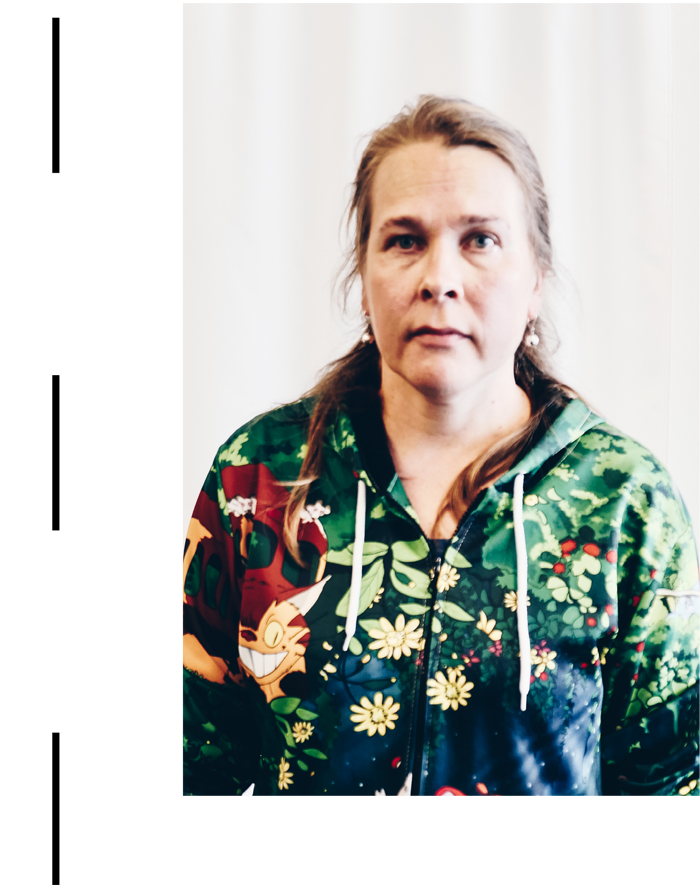
"I have been fascinated by connecting somatics and working life for the last 30 years. I have experienced the benefits of embodied soft skills in my own life. And I have witnessed the transformation gained through embodied soft skills in the life of many of my students. This practical journey encourages me to share the approach with a wider audience."
- Elina Ikonen, Finland, creator and head teacher of ISLO’s Education in Dance and Somatics program
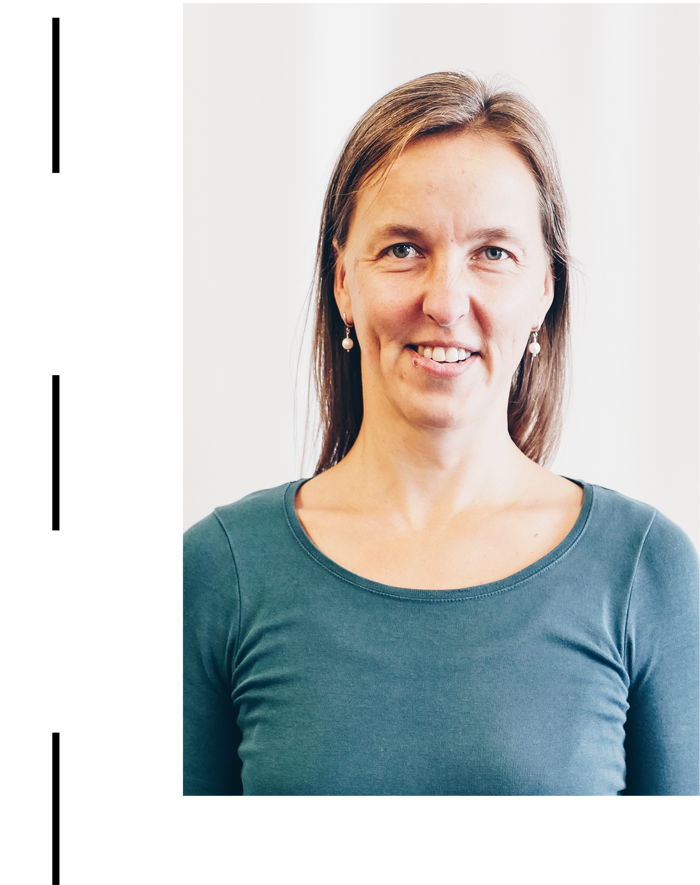
"Somatic approach is learning through moving and being in contact with our bodies, and this is the main value that we share through this project - we offer an approach that involves the whole body to learn the soft skills. Thanks to my 15 years of teaching experience I believe that learning is easier when doing it embodied - learning is deeper through doing and easier through playing."
- Inese Locmele, Latvia, body oriented psychotherapist, founder of I-DEJA MAJA
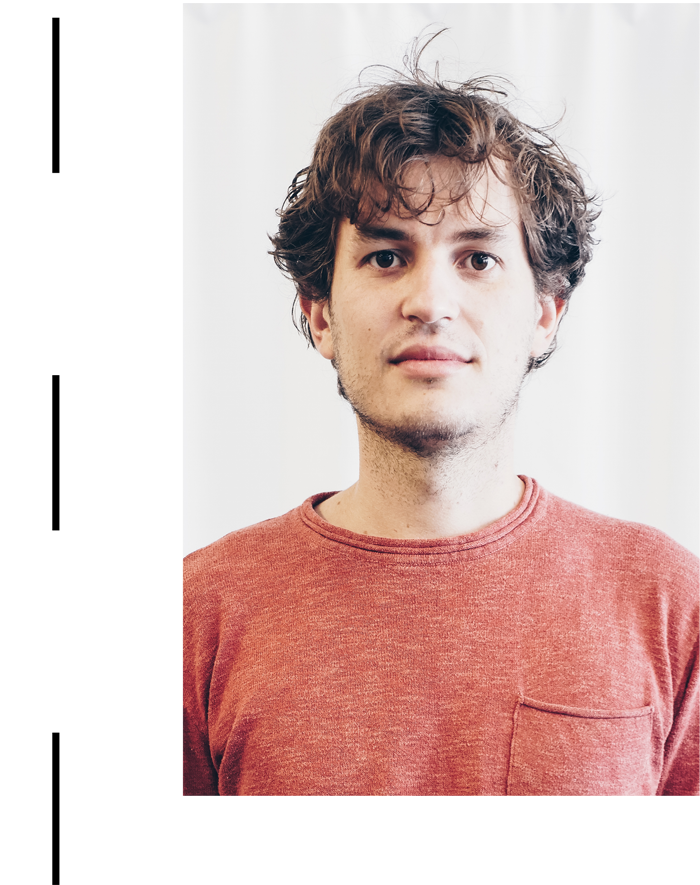
"Having a background in IT and Mechatronics, I feel like my own experience with somatics, dance and martial arts has taught me about many soft skills that traditional education did not have the tools for. When developing these skills I feel like I have actually been learning what it means to be a human. With all the crisis in our world right now, I feel like we all need to understand what it is to be alive and walk on this planet along with other living beings, from experiencing, sensing and all the soft skills our cartesian society has prevented us from developing. I see the work of this project is part of a larger movement leading us away from that cartesian worldview."
- Felipe Morato, Finland, dancer and systems analyst
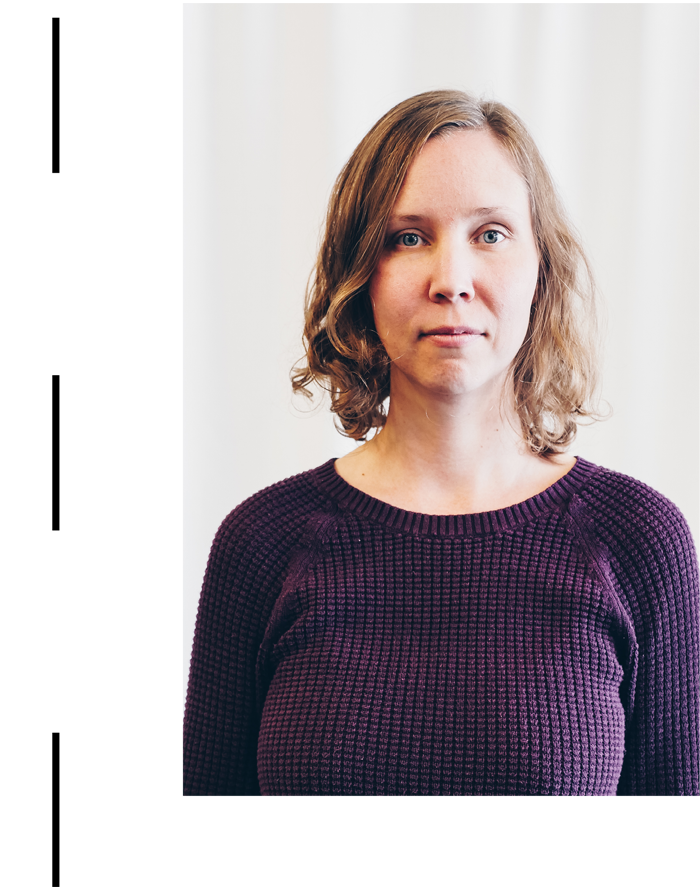
"This project is an opportunity to work on a meaningful cause with inspiring people. I would like to see a world where people are more connected with themselves, each other and their environment. I believe that learning soft skills and somatics is an excellent path to that kind of a world."
- Annariikka Kyllonen, Finland, coordinator of the MOSS project
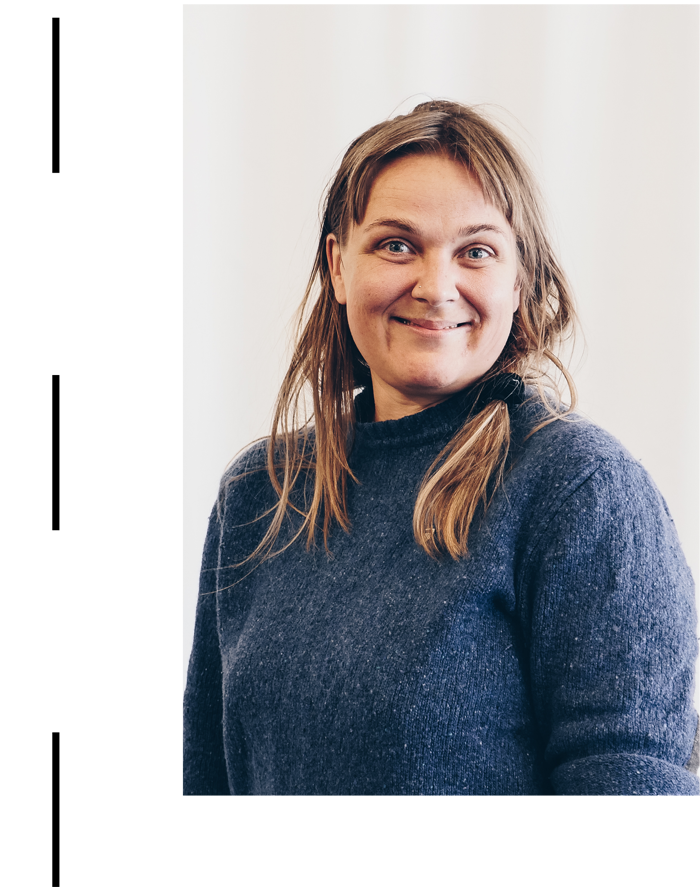
"When I started studying movement, I inevitably stumbled upon uninhabited territories in my body and mind. Movement, somatics and experiences brought by group learning and supervision pushed me to explore myself from a new perspective. I found myself not only developing as a mover but also working through my relationship with society, time, tasks, uncertainty. Everything was revisited and much was brought to light. I explored my learning habits, education traumas, self-regulation needs... started paying attention to sensations and atmosphere and, ultimately, ended up redefining myself as a colleague, communicator and even a writer. I believe seeing ourselves as working bodies, rather than just intellects, can improve the way we work and make our work more fun. I want to develop something that can be easily used by people of all professions, to give a taste of something that is not just liberating and transformative but also easy and fun. Your body knows more than you think it knows, and I want to develop easily accessible tools for tapping into it's forgotten wisdom."
- Agnese Krivade, Latvia, Belgium, communicator, writer and contemporary artist
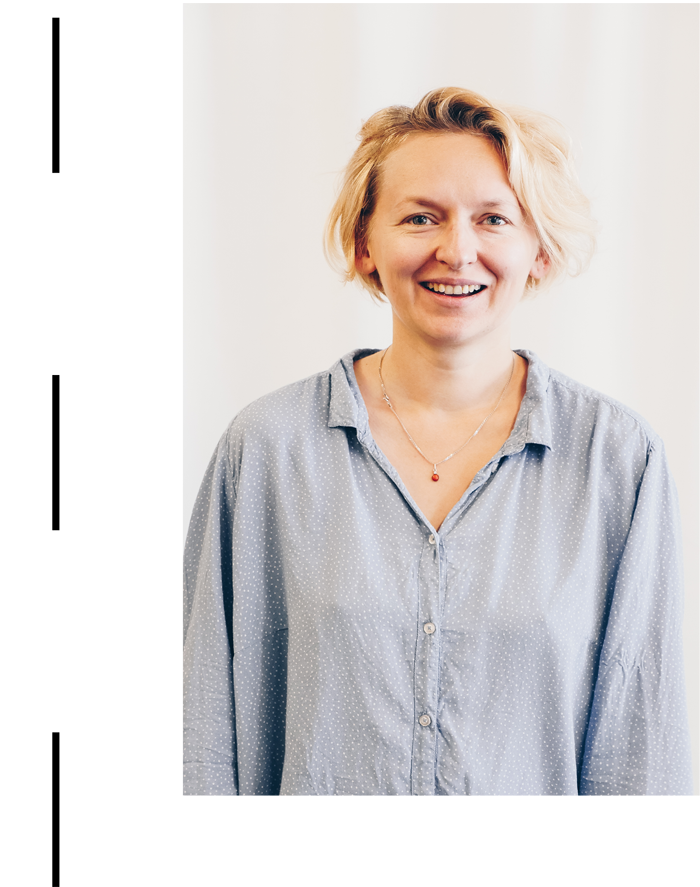
"Recently somebody asked me, "How long do you plan to work for MOSS?", and I replied, "Until the end of my life, I hope". I see it as a life-long research. It’s not only the theme that I feel so connected to, it’s our team, that I highly appreciate. In the process of creating MOSS together, we not only share our excitement, but also difficulties, challenges and things we need to unlearn, to dare to reveal. I am in MOSS because I want to promote learning through movement - and make it familiar for the majority of people. I wish our society to grow into a movement literacy era, somatics literacy era, recognition of what are our human qualities, how through movement we can learn and guide our lives. And somatics can change lives. Moving into Soft Skills is uncovering the knowledge that we have collected along the years of studying and practicing somatics. Now we are making this knowledge more accessible and shareable. In this way, somatics can enter work life and grow."
- Ksenia Opria, Poland, somatic educator

"I would like to contribute to creating common understanding on how dance practices facilitate learning of soft skills. The knowledge, which I absorbed throughout my dance education and professional career extends far beyond artistic expertise. Working with bodies in motion has taught me a great deal about communication, leadership, creativity and empathy. My goal is to make the link between movement and learning of those skills and to facilitate sharing of this information with the general public."
- Marysia Stoklosa, Poland, choreographer and performer, president of Burdag Foundation
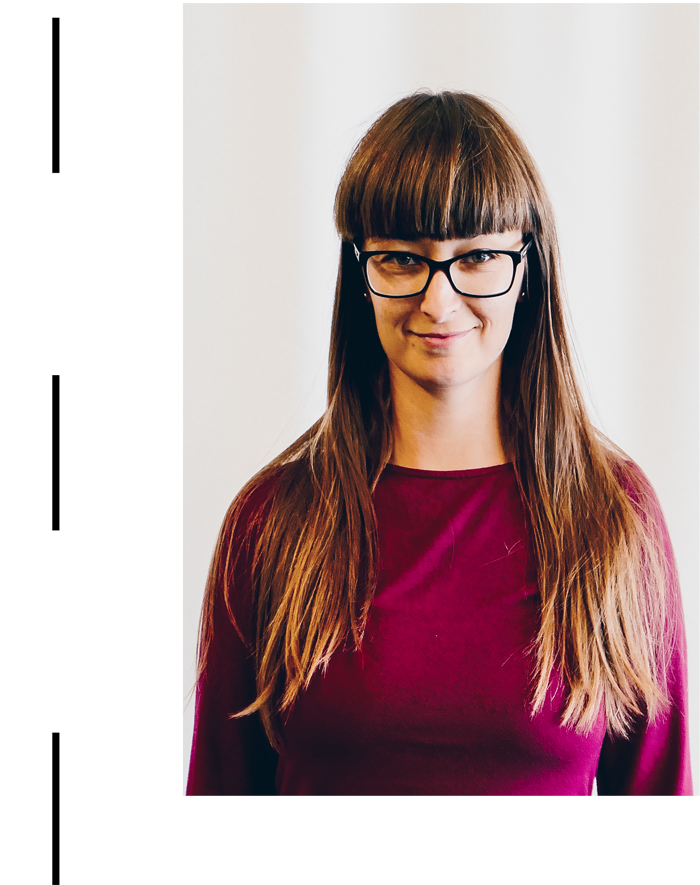
"For me MOSS project is a process of creating well combined packages of lessons to offer a well designed programme of self development. Not only development of intellect, of skills but the person as a whole, with body and mind working together. Even a short session of movement in a non judgemental environment creates a space where people can start to change, their perspective is getting wider, and they allow themselves to express more and to be more free."
- Ola Zdunek, Poland, psychotherapist
"All the most powerful learning and change I ever have experienced has been related to movement and touch. I found a belief in myself while trekking across the Alps. I discovered my ability to be emphatic and to connect to another person, while learning massage in Thailand. I learned how to set and achieve goals while training for a marathon. As an educator I have been integrating various body practices in groups of young people and adults for around 10 years, and the outcomes of this work have made me believe that body based work is a key not only to personal empowerment, but also to transforming communities, creating more nurturing and encouraging environments for everyone."
- Inese Priedite, Latvia, France, experiential learning facilitator
"I have been interested in human psychology for many years and after completing a certification in executive and life coaching I felt that it missed a crucial element of understanding the impact of human actions on the person as whole. I went to study movement and somatics as I wanted to have a better understanding of the body mind connection. The results were beyond surprising and I noticed how working with my body helped in other areas of life. I find the MOSS project very important because I want more people to learn the importance of seeing the link between our minds and our bodies."
- Valda Tolonen, Latvia, Finland, creativity and life coach
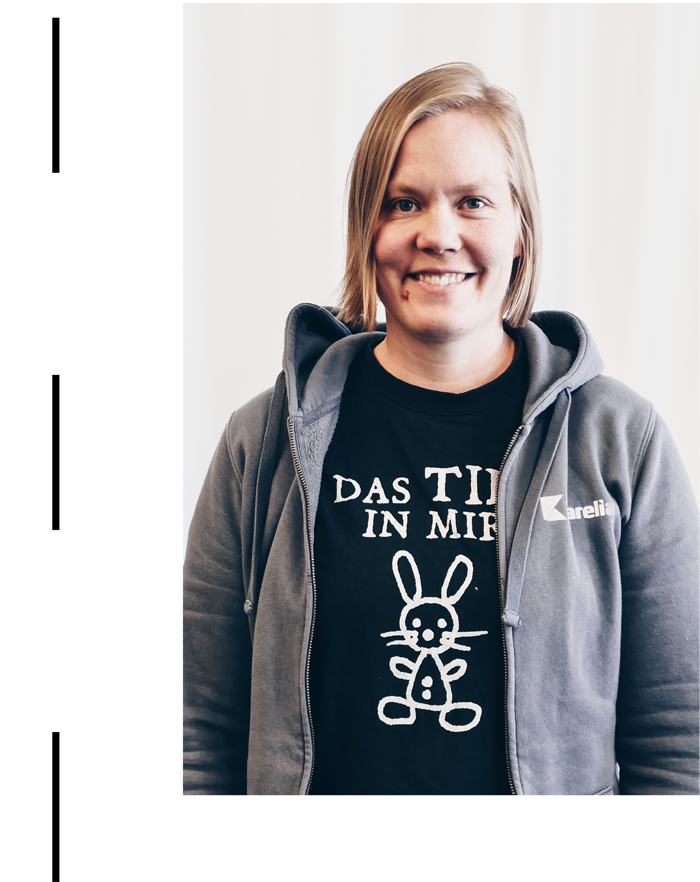
"When I was asked if I would be interested in joining the project group I gave it a thought and figured that saying "yes" opens a door and saying "no" doesn't. I had liked ISLO so much that I thought this could be cool. This is my very simple reason to be part of this consortium. I see a lot of potential in introducing more somatics to the general public. I think our project has come a long way and it's been good to hear the positive feedback."
- Outi Sulopuisto, Finland, Austria, junior researcher
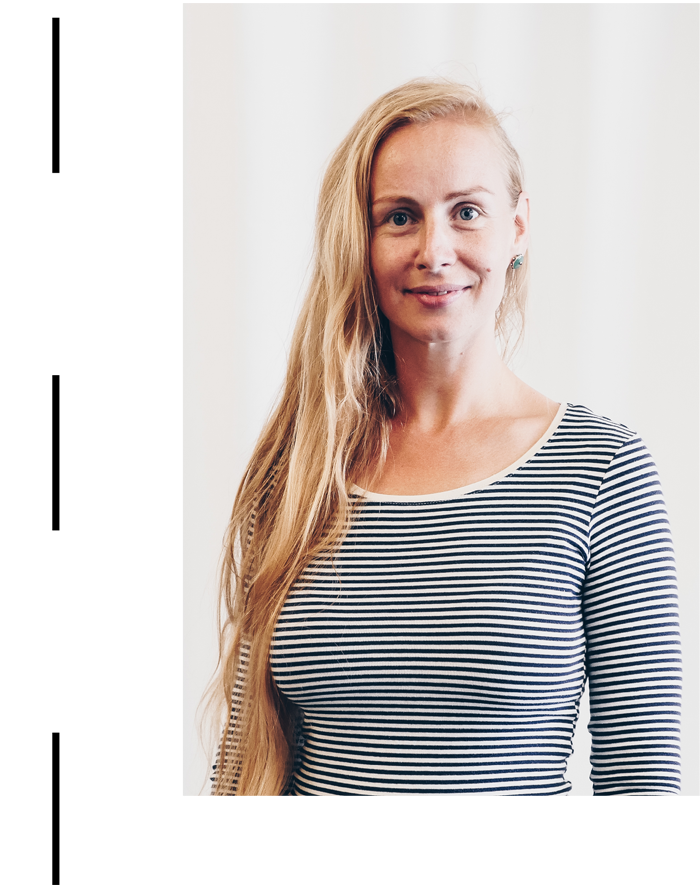
"I was dreaming about a project like MOSS since 2014 when I realized the power of embodied learning outside the dance field. When I noticed how my soft skills are changing along my studies and work in somatics, I became determined to share this learning approach with as many as I can."
- Madara Garklava, Latvia, dance and somatic movement teacher
The European Commission's support for the production of this website does not constitute an endorsement of the contents, which reflect the views only of the authors, and the Commission cannot be held responsible for any use which may be made of the information contained therein.